
I was intrigued by the Gasteig so was happy that we could get there , and with some very cheap seats. The Gasteig is, of course, just the local cultural centre for Munich, but the name sounds so hard to us and it looks bulky and brick and uncompromising. In the end, the Philharmonie, the Philharmonic Hall, was a joy: big and timber lined with exceptional acoustics and our back row seats sounded great. I did move to a fourth row seat for the second half and the sound was a little more balanced but the difference was little. I was mightily impressed.


The orchestra was the Munich Philharmonic playing a Sunday matinee subscription concert and they played in size: 8 basses, my measure of orchestral size, so about 100 members. The program was commonly structured as intro/concerto/symphony but made distinctly modern demands on the audience: Messiaen Les offrandes oubliées, Henri Dutilleux Cello concerto Tout un monde lointain ... and Brahms Symphony no.1 Cmaj Op.68. The Messiaen was demanding enough but the Dutilleux was an immense challenge for the traditionalists. Gautier Capuçon soloed and David Afkham conducted. Capuçon was great, sounding clear and decisive with his 12-note phrasings and switches between bow and pizz and the rest. The orchestra was impressive and obviously counting for this the relatively obscure music. The tones and harmonies were attractive but demanding. I wouldn’t have guessed five movements, but there are, played attacca. I was impressed that we so easily heard the cello against such and orchestra and the quiet passages still spoke easily. But I was waiting for the Brahms and I loved this and they did it well. I didn’t get the feel of sheer inevitability I felt with the Berlin Phil a few years back, but I did enjoy a wonderfully capable orchestra that spoke well together and was amused by the conductor out front. I find it interesting these days to watch how a conductor leads on stage and wonder of his/her immediate influence and how much is behind the scenes. Whatever, this was a lucky find and a great late morning event (11am-1pm). And walking out, looking at posters for upcoming concerts, I could only drool. Over the next few months, along with experimental music and jazz and rock, this hall was hosting Berlin, Vienna, London, Bamberger, Sydney, Radio France, Swedish orchestras, Murray Perahia, Gabetta, Kennedy, Buniatishvilli, Mayer, Jensen (and more) playing B2,5,7,9, Carmina and the rest. It was like that in Frankfurt, too. Berlin and Vienna Symphs were playing just a few days after we left. It’s obviously the local circuit. You can only drool.
The Munich Philharmonic performed Messaien, Dutilleux and Brahms at the Gasteig, Munich, with soloist Gautier Capuçon (cello) soloed under David Afkham (conductor).


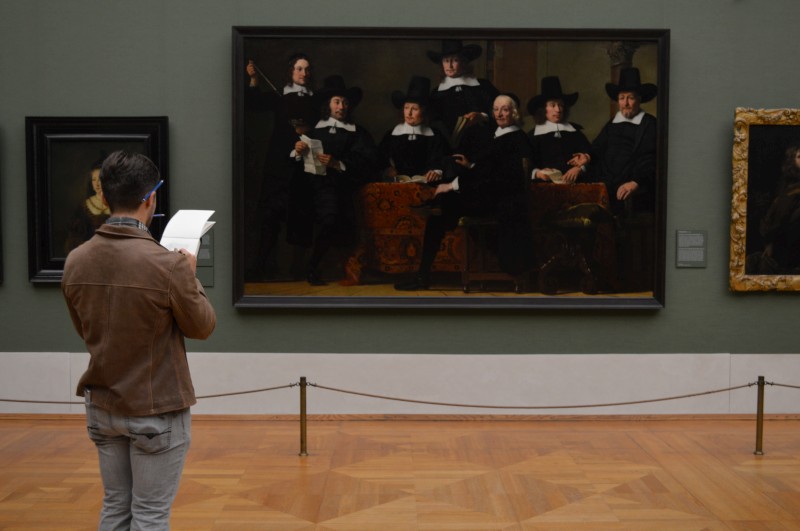


 Visiting Germany can be a strangely disorienting experience. It’s mostly modern despite its history but it also has age. That age is often skin deep given reconstruction after the bombings of WW2. So there will be age next to ‘60s modernity or old looks with new construction. Or aged palaces with modern materials and churches aged outside but blandly sparse with neat walls inside. It can be sad. I feel the Germans have dealt with it will with an absence of denial and a humble contrition. (As for climate and other denial, Australia has much to learn these days and the dignified European treatment of WW1 could teach us something, too. It’s off the topic, but England and Scotland now use no coal for electricity production). But also, Germany can be enlivening. It has been an intellectual and cultural centre and has some great collections to awe tourists. Otherwise, I was stunned by the effectiveness and integration of public transport (more to learn). Here are some pics, especially from the Alte Pinakotek. This is the main gallery in Munich for pre-modern art, to C18th or so. I loved the earlier, Renaissance works, enjoyed a limited collection of mediaeval and felt less for the often huge, swirling, baroque and later. So I loved the Durer and a large Perugino and another Leonardo and a few small but teaming Brueghels and a series of Italian Madonnas with John the Baptist and Christ child and was fascinated to see a very early Rembrandt self-portrait but not so much the swirling Tiepolos and Rubens and the literal Caravaggios. As for the public transport, it’s ticketed, connected, signed to perfection and frequent. Not easy outside a real city. Some pics.


